

OPEN CALL FOR GUESTS
./ DEADLINE: 06.06.26
./
OPEN CALL FOR GUESTS ./ DEADLINE: 06.06.26 ./
PARTICIPANTS./
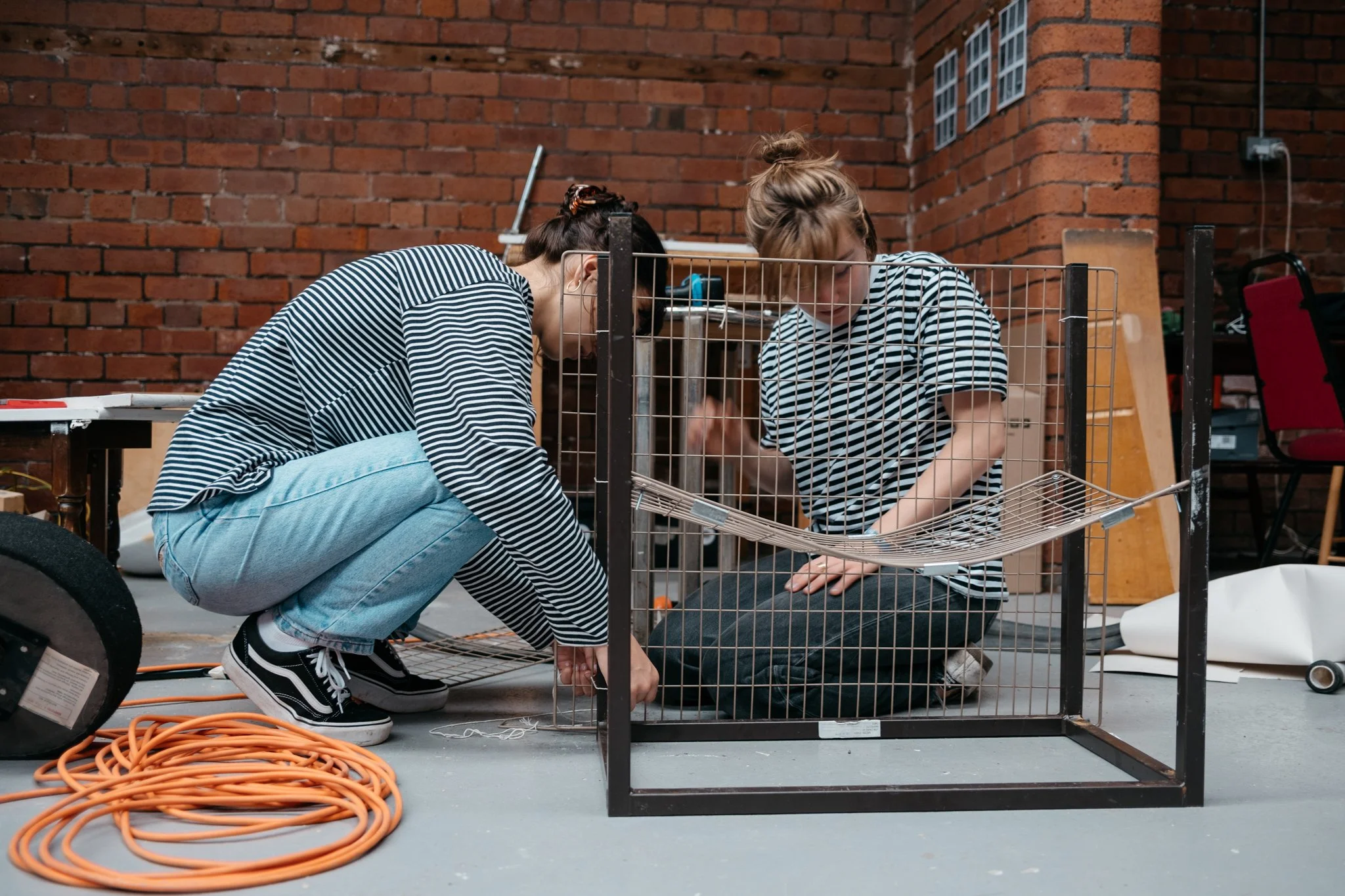
Participants form the heart of EASA.
They are architecture students, designers and creatives from across Europe who come together to take part in workshops, lectures, discussions, and shared daily life.
Beyond their chosen workshop, participants contribute to the atmosphere of the assembly through collaboration, care, conversation, and openness to exchange. EASA relies on participants not only to learn, but to actively shape the social and cultural life of the event.
Applications to participate in EASA Seanchaí 2026 are made through National Contacts.
‘Open Call for Participants’:CLOSED
Please contact your relative National Contacts for more information about application deadlines, fees, payment deadlines etc.
TUTORS./
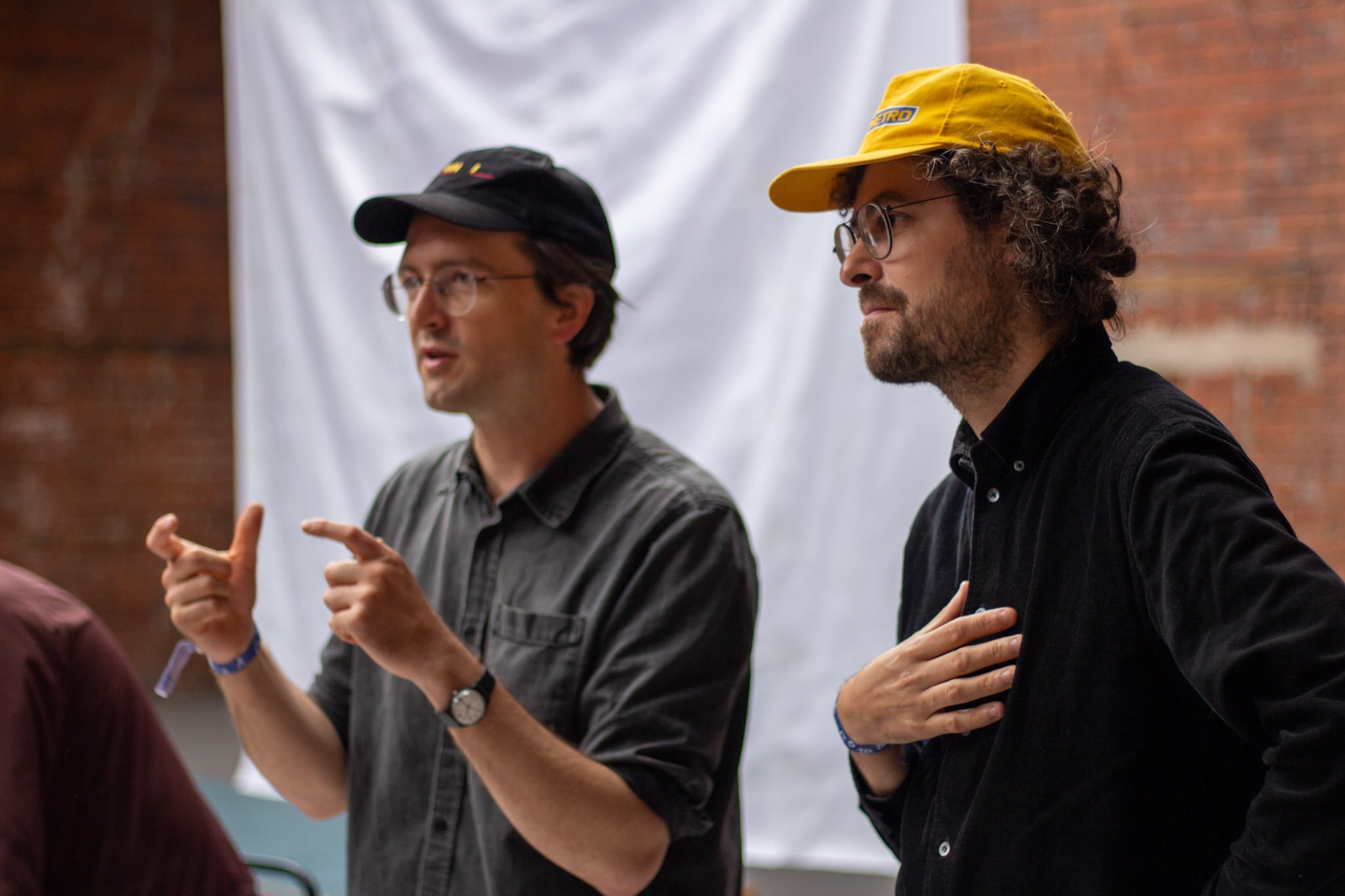
Tutors design and facilitate the workshops that form the educational core of EASA.
They may be students, graduates, educators, practitioners, artists, or researchers working individually or in small teams. Tutors are encouraged to experiment with alternative pedagogies, interdisciplinary methods, and hands-on approaches to learning. Rather than teaching in a traditional sense, tutors guide collective processes of exploration, critical thinking, and making.
Applications for ‘Open Call for Workshops’ are made directly to the EASA Seanhcaí 2026 organising team.
‘Open Call for Workshops': CLOSED
HELPERS./
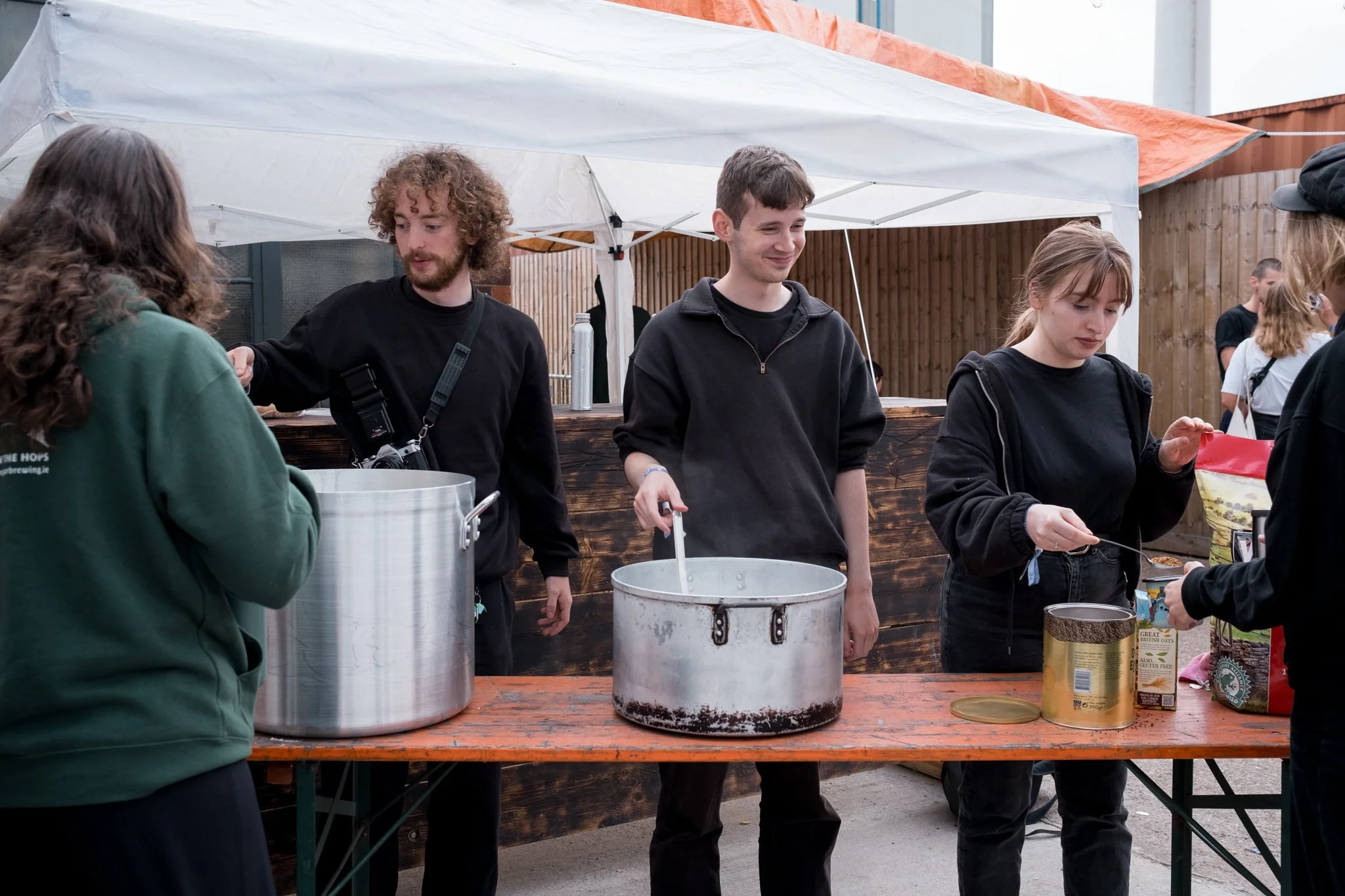
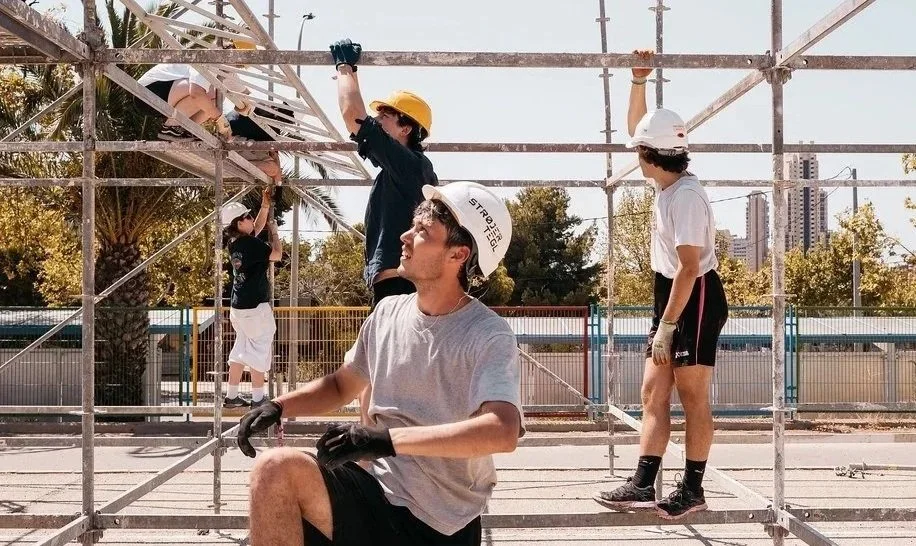
Helpers support the daily functioning and wellbeing of the assembly.
They are volunteers who take on essential roles such as logistics, kitchen coordination, toolbox management, information points, and care structures. Helpers move fluidly between practical tasks and social support, helping to foster an environment that is welcoming, safe, and inclusive. Their contribution is vital, enabling EASA to function as a shared living space as much as an educational one.
When time allows, helpers are encouraged to take part in workshops, talks, and other community activities, remaining active participants in the life of the assembly.
While many applicants are already familiar with the EASA community, prior experience is helpful but not required — curiosity, care, and a willingness to contribute are equally valued.
Applications for helper roles are made directly to the EASA Seanchaí 2026 organising team.
‘Open Call for Helpers': CLOSED
GUESTS./
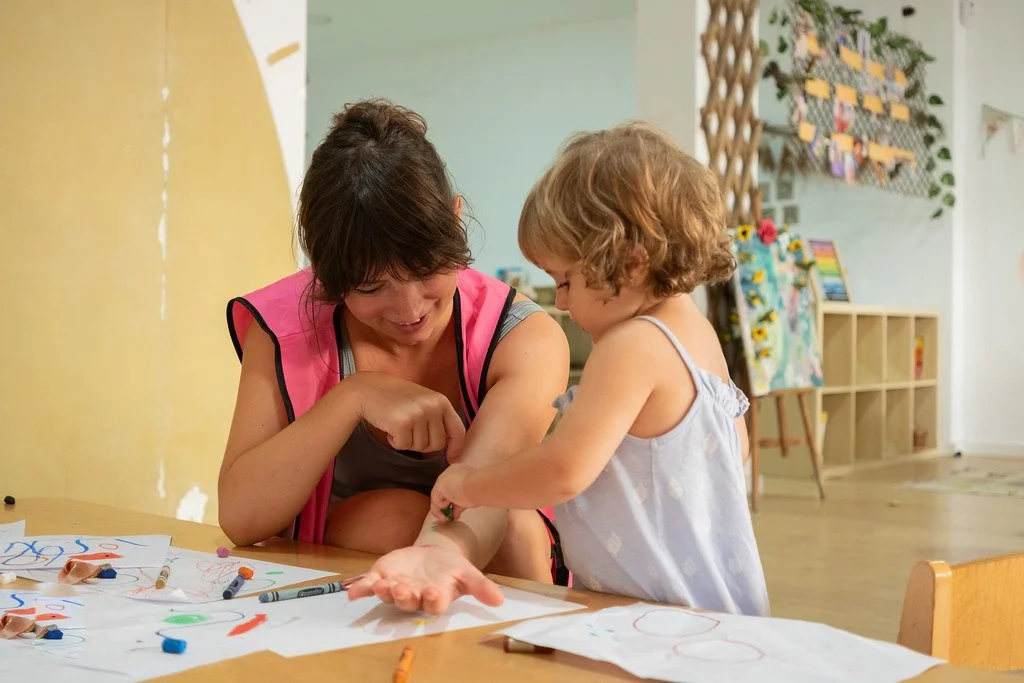
Guests are individuals who join EASA for a shorter period of time.
They may take part in workshops, talks, or specific moments within the programme, and often bring external perspectives into the assembly. While their stay is shorter, guests contribute meaningfully to the exchange of ideas, skills, and experiences that shape EASA’s temporary community.
Applications to attend as a Guest are made directly to the EASA Seanchaí 2026 organising team. Priority will be given to individuals who have previously participated in a EASA community event.
‘Guest Application': Closed
NATIONAL CONTACTS./
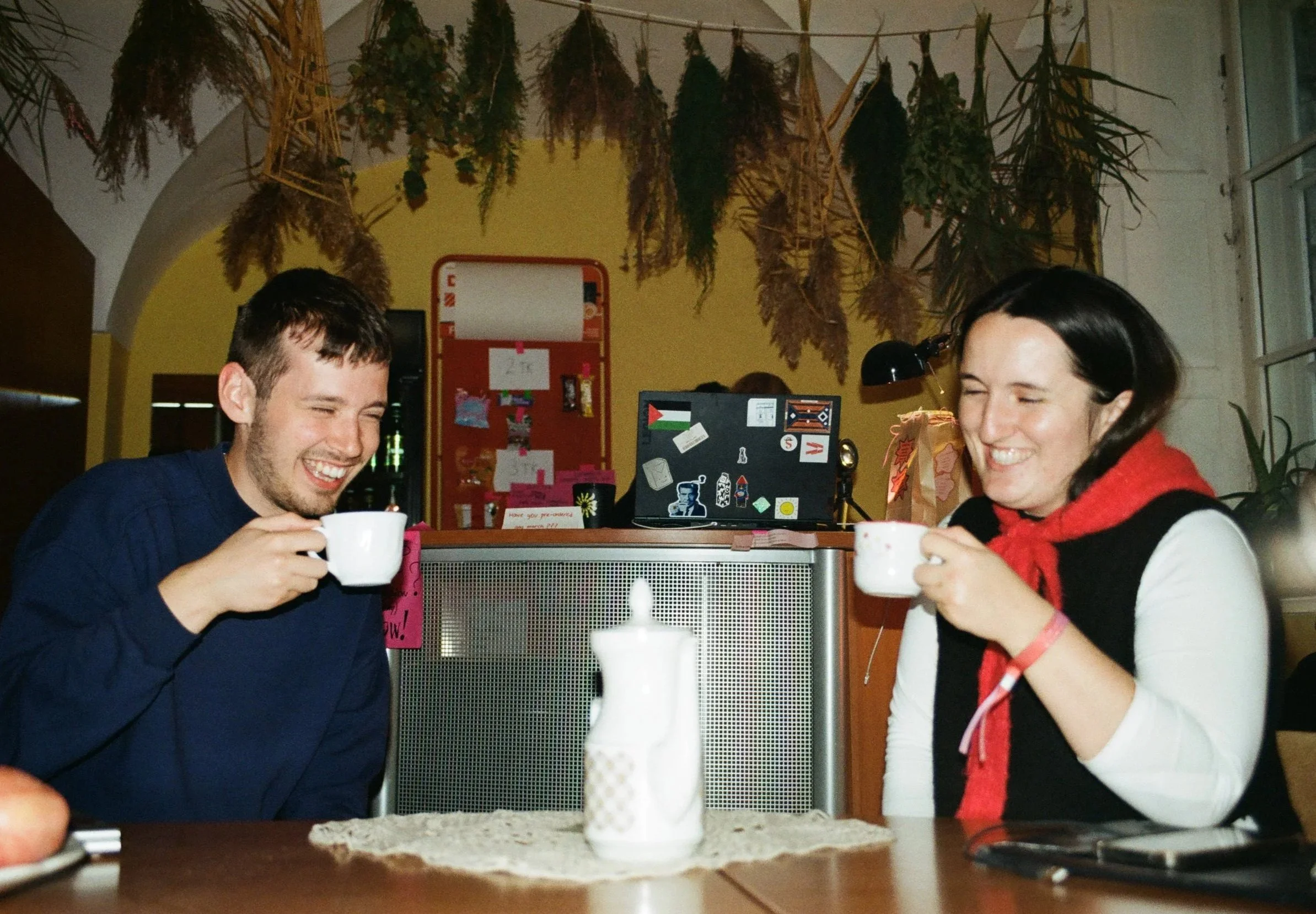
National Contacts (NCs) are the key communication link between EASA organisers and participants. They connect EASA as an international network with national and local contexts.
NCs are responsible for sharing information such as bulletins, briefs, and open calls through architecture and design schools, student groups, and other channels. Beyond this, they play an important role in introducing newcomers to EASA’s values, aims, and shared responsibilities.
NCs also take part in collective decision-making, including agreeing on each year’s EASA theme and host location and INCM’s (Intermediate National Contact Meeting). Since the COVID-19 pandemic, the role has become more distributed, encouraging broader participation and local initiatives where possible.
-
Albania: easashqip@gmail.com
Armenia: easa.armenia@gmail.com
Austria: contact@easa.at
Azerbaijan: easa.azerbaijan@gmail.com
Belarus: easa.belarus@gmail.com
Belgium: easabelgium@gmail.com
Bosnia and Herzegovina: easabosnia@gmail.com
Bulgaria: easa.bulgaria@gmail.com CLEA: easa.clea@gmail.com
Croatia: easacro@gmail.com
Cyprus: easacyprus@gmail.com
Czech: easaczechrepublic@gmail.com
Denmark: easa.dk@gmail.com
England: easaengland@gmail.com
Estonia: easaeesti@gmail.com
Finland: easancfinland@gmail.com
France: easafrance@gmail.com
Georgia: georgia.easa@gmail.com
Germany: easadeutschland@gmail.com
Greece: easagre@gmail.com
Hungary: easa.hu@gmail.com
Iceland: easaiceland@gmail.com International: international.easa@gmail.com
Ireland: ireland.easa@googlemail.com
Italy: easaitalia@gmail.com
Kosovo: easa.kosovo@gmail.com
Latvia: easa.latvia@gmail.com
Liechtenstein: easa.liechtenstein@gmail.com Lithuania: labas.easa@gmail.com
Luxembourg: easa.luxembourg@gmail.com
Macedonia: easa.macedonia@gmail.com
Malta: easamalta@gmail.com
Moldova: easa.moldova@gmail.com
Montenegro: easamontenegro@gmail.com NASA India: easa@nasaindia.com
The Netherlands: easaned@gmail.com
Northern Ireland: easanorthernireland@gmail.com
Norway: easanorway@gmail.com
Poland: easa.poland@gmail.com
Portugal: easaportugal2016@gmail.com
Romania: easa.romania.25@gmail.com
Scotland: easascot@gmail.com
Serbia: easasrbija@gmail.com
Slovakia: slovakia.easa@gmail.com
Slovenia: easa.si@gmail.com
Spain: easa.spain@gmail.com
Sweden: easa.sweden@gmail.com
Switzerland: easa.ch@hotmail.com
Turkey: easaturkey@gmail.com
Ukraine: easaukraine@gmail.com
Wales: easawales@hotmail.com
ORGANISERS./
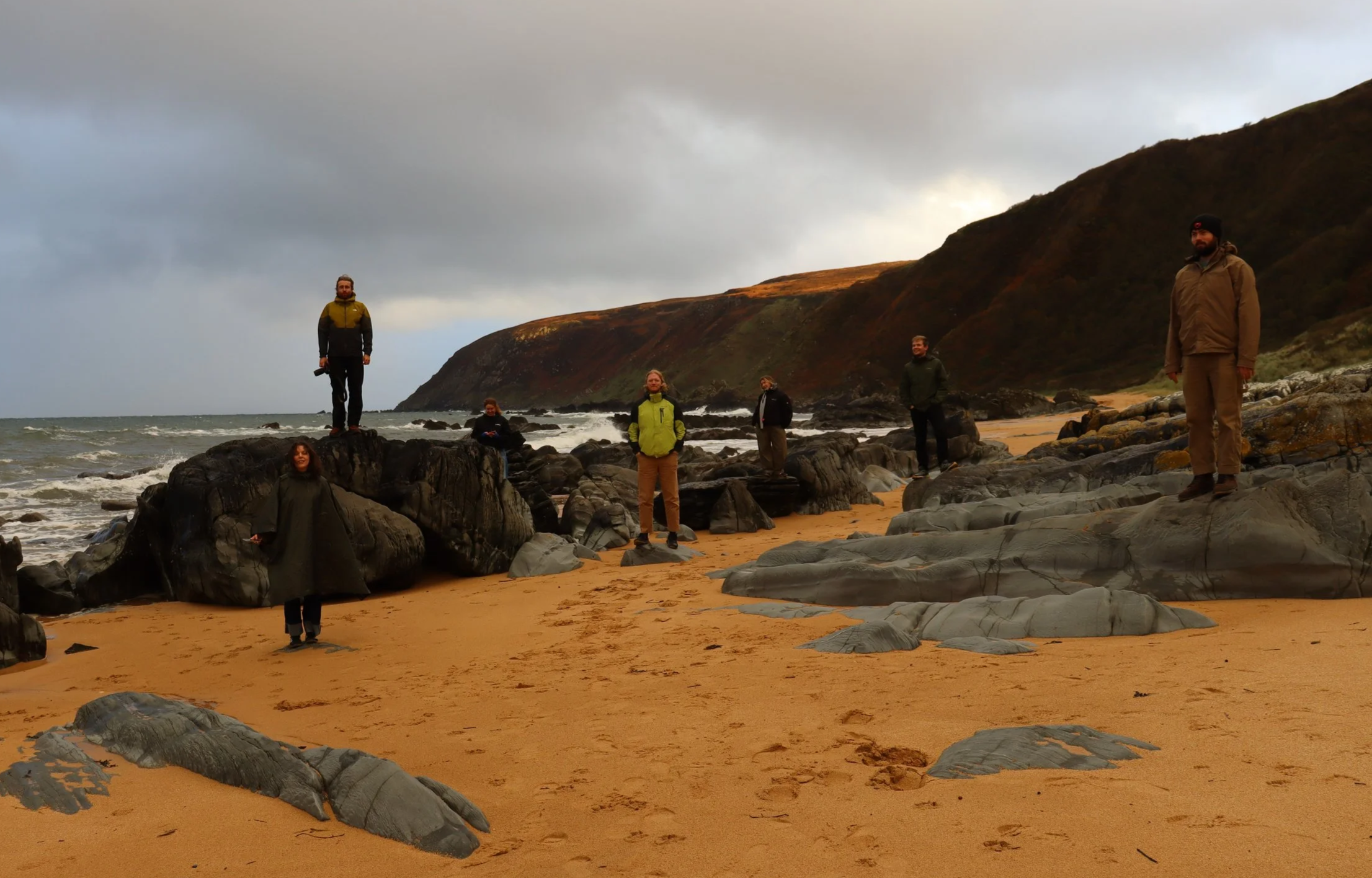
The organising team are volunteers responsible for shaping and hosting each edition of EASA.
Based in the host country, organisers develop the theme, programme, partnerships, fundraising strategy, and logistical framework of the assembly. They coordinate communication with tutors, helpers, and the wider EASA network. Rather than acting as a central authority, organisers facilitate conditions in which the assembly can unfold collectively.
EASA is shaped by many different hands.
While roles help organise the assembly, they are not hierarchical.
Each role carries its own responsibility and rhythm, contributing in different ways to the collective experience and shared learning environment.
Together, these contributions form the temporary community that EASA becomes.
Meitheal - an Irish word describing a collective coming together to share work, care, and responsibility for the benefit of all.