26 JUL-
09 AUG
2026
EASA is the European Architecture Students’ Assembly, a student-led, international architecture event, hosting its 46th annual edition in Waterford, Ireland, in summer 2026.
-
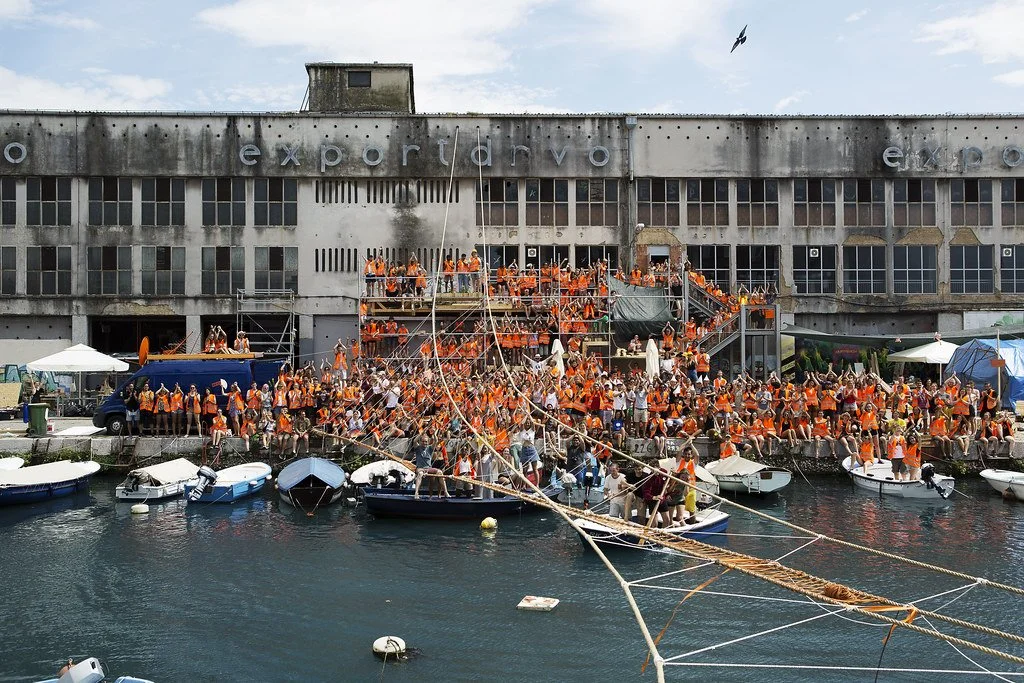
EASA, European Architecture Students’ Assembly, was formed in Liverpool in 1981 as an alternative form of education, offered in parallel to traditional university channels.
Since it’s founding, EASA has taken the form of a two-week assembly, occurring annually and hosted by a different country every year, offering participants a unique opportunity to engage with diverse cultural and architectural contexts.
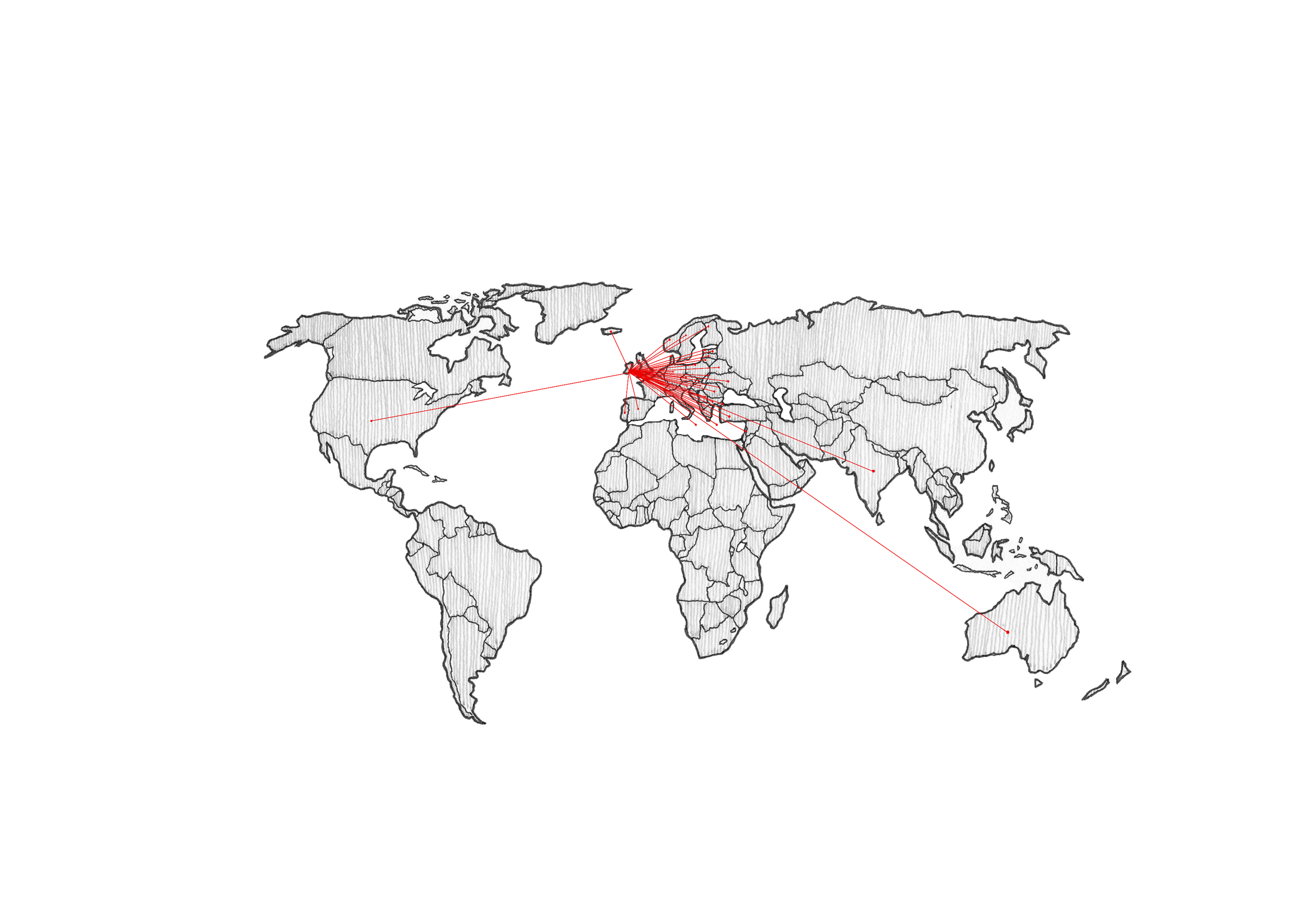
EASA has grown to become a platform for cultural and educational exchange, connecting students, graduates and professionals across Europe and the world. EASA is a non-profit, educational and decentralised organisation led by a team of volunteers.
-
The programme is built around workshops, talks, excursions, and self-organised projects. Each activity encourages experimentation, collaboration, and reflection. There are no fixed outcomes — learning happens through making, discussion, and shared daily life. While workshops focus on the event’d theme, participants are also invited to explore culture, local history, and community engagement.
-
Arrival: 26 July 2026
Workshop Fair + Opening Ceremony: 26th July 2026
Workshops & Activities: 26th July – 8th August 2026
Final Exhibition + Closing Evening: 8th August 2026
Departure: 9th August 2026
Specific workshop schedules and locations will be shared closer to the event.
-
Workshops, lectures, and daily life will be hosted in a variety of spaces across Waterford, including studios, community centres, and public spaces. The city itself becomes a living classroom — streets, squares, and local landmarks are part of the learning experience. Hosting in Waterford allows participants to engage directly with its history, culture, and communities.
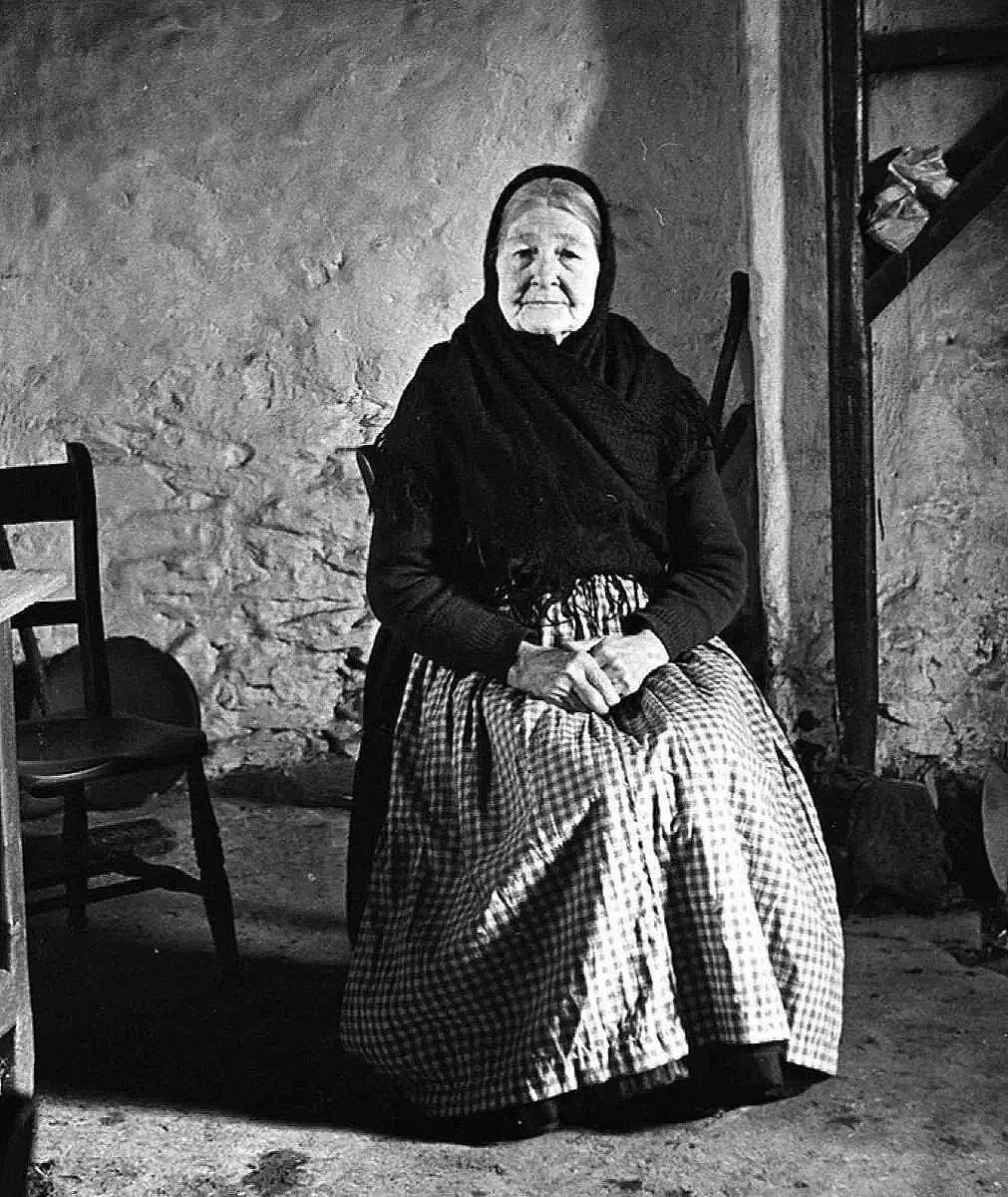
Seanchaí Peig Sayers in her home in County Clare, Ireland.
Seanchaí - Storytelling as Practice
THEME. /
The Seanchaí is a traditional Irish storyteller: a vessel of memory, custodian of myth, and guardian of collective voice.
Through rhythm, gesture, and emotion, they preserved histories, moral lessons, and cultural wisdom at a time when few could read or write. They were travelling archives, carrying stories across landscapes and communities, ensuring that knowledge was shared, reshaped, and remembered. The Seanchaí reminds us that storytelling binds us, shaping our understanding of ourselves and the world.Today, instant communication and digital media have diminished the traditional seanchaí, but the responsibility to carry memory and meaning remains. Revisiting this role reignites storytelling’s relevance as resistance, as archive, and as human connection within a globalised society.
Oral traditions were once radical: egalitarian, accessible, and subversive when language, culture, and identity were suppressed.
For EASA 2026, we see storytelling not as separate from design, but as embedded within it. Every drawing, material choice, and construction detail carries a narrative of origins, processes, and people.
-
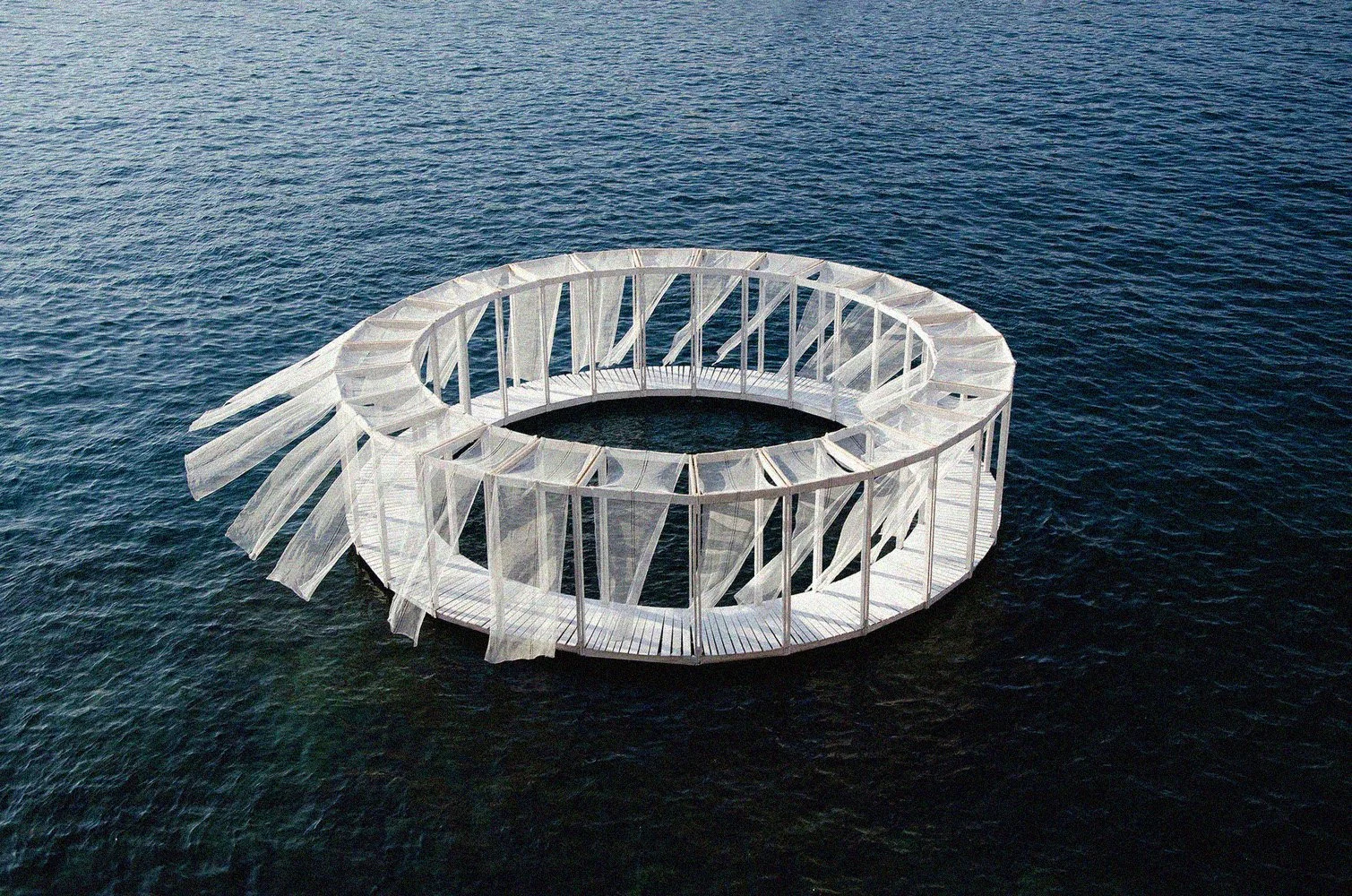
The seanchaí teaches us that archives need not be fixed. Stories are living, and open to interpretation - always layered, never complete. In the same way, ephemeral structures, temporary interventions, and collaborative acts at EASA 2026 will become vessels of new stories, reflecting the culture of their making and the voices of those who inhabit them.
Participants are challenged to weave their own narratives from the threads of Waterford’s fabric—its histories, communities, material and immaterial traces. The tradition of storytelling is not unique to Ireland; similar traditions are ingrained in communities worldwide. We encourage participants to bring their own cultural understandings, personal narratives, and inherited practices into dialogue with the seanchaí, enriching the exchange with diverse voices and perspectives.
How do we preserve or reshape identity through the spaces we create? How can we design spaces so their stories are visible, adaptable, and shared across es here
Organised by students, for students, EASA offers a unique framework for education, accommodating a non institutionalised way of teaching, learning and exchange. A horizontal learning process where decisions are made upon consensus, EASA gives a chance to experience architecture in a way that universities are yet not providing. Bringing students to a certain context, defined by the location and theme of the assembly, where they have to raise architectural questions themselves and investigate them through the eyes of all European cultures simultaneously. Being their own educators, students then elaborate the answers and bring them to reality.
EASA 2026 will be hosted
in Waterford, Ireland.
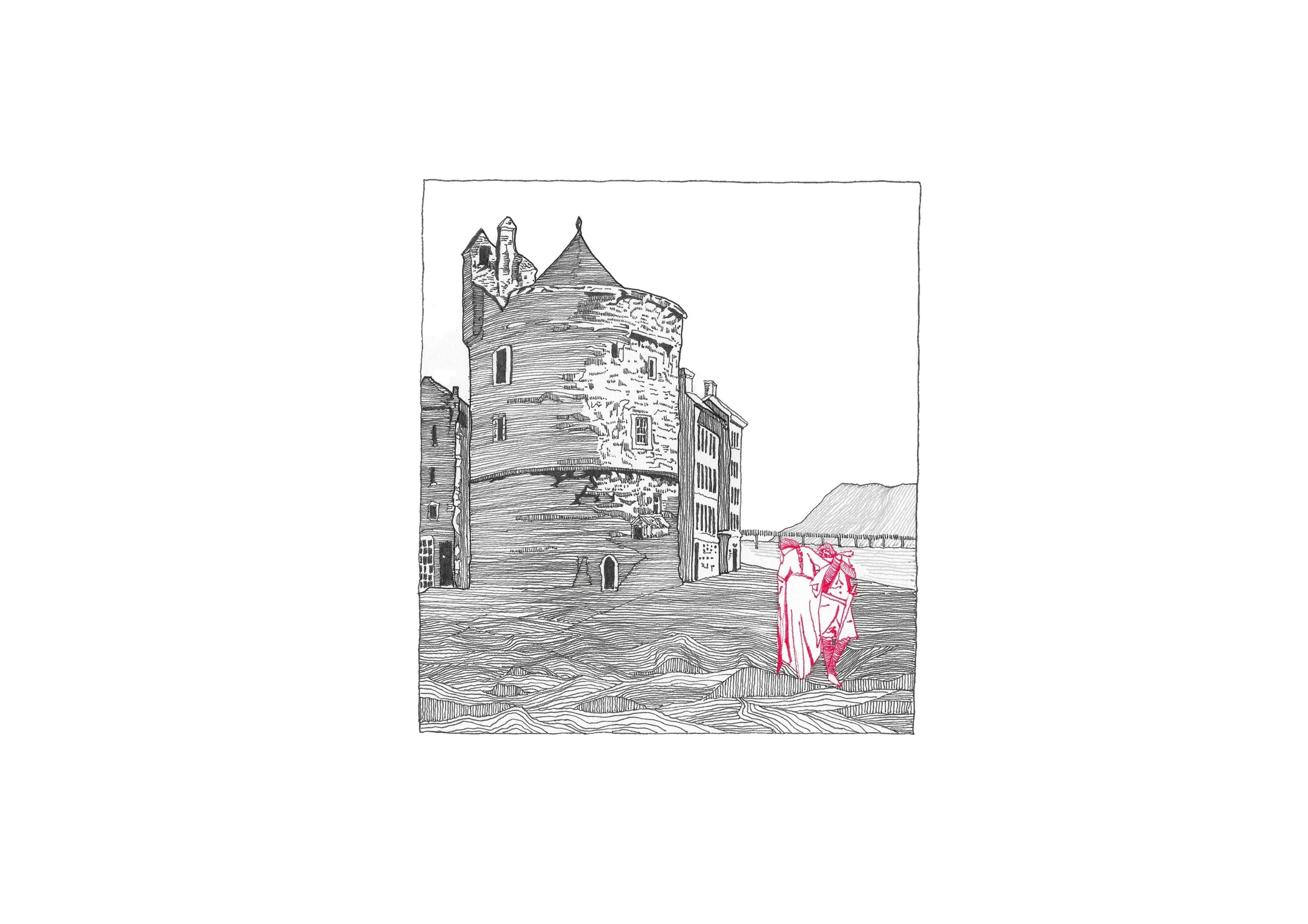
Waterford, Ireland’s oldest city, offers a potent and pivotal setting for reawakening the role of storytelling in architecture’s storytelling role. As the site of Ireland’s first urban settlement, it marks a turning point where oral traditions began to fade, gradually overshadowed by urbanisation, industrialisation, and written record. Yet the city’s layered fabric — from Viking roots to modern interventions — still hums with embedded memory. By returning to this place, we hope to reintroduce the spirit of the Seanchaí, exploring how architecture might once again carry meaning through presence, symbol, and space. Attendees of EASA 2026 will take on the role of the contemporary seanchaí: uncovering hidden histories, creating new interpretations, and embedding their own stories within the city’s fabric. Together, we shall ask: how can design keep stories alive, adaptable, and shared across generations?