General Inquiries: contact@easaseanchai.eu
Partnerships and collaborations: finance@easaseanchai.eu
Workshops: workshops@easaseanchai.eu
Media / Lectures: media@easaseanchai.eu
Particpants: participants@easaseanchai.eu
Food Sponsorship: food@easaseanchai.eu
Care: care@easaseanchai.eu
CONTACT US./
FAQs./
What is EASA?
1
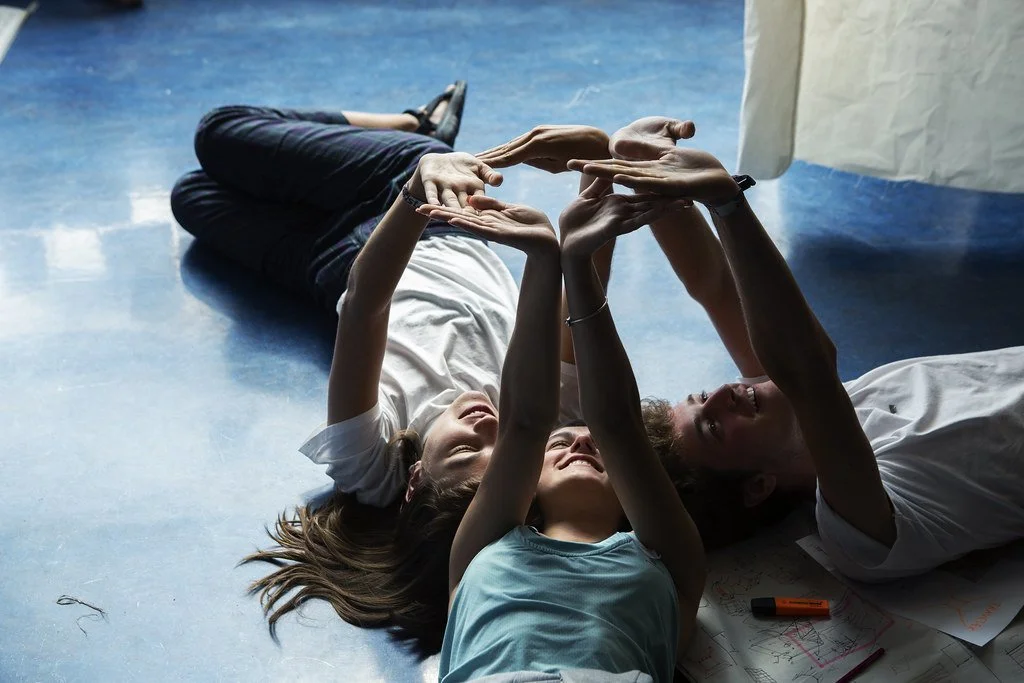
EASA (European Architecture Students’ Assembly) is a self‑organised, non‑profit network of architecture students and recent graduates from across Europe. Each summer, participants gather in a different host location for two weeks to live, work, learn, and exchange ideas through workshops, lectures, and shared daily life.
Who can attend EASA?
2
All students and young professionals over 18 years of age are welcome to participate in EASA Seanchaí 2026.
Participants come from a wide range of creative backgrounds, including artists, designers, and makers, but priority is given to students and graduates of architecture. Selection is coordinated nationally to ensure a diverse and balanced group from across Europe.
How do I apply?
3
Applications are organised nationally. Get in touch with your country’s National Contact (NC) for information about selection processes, deadlines, and requirements. Follow your relevant EASA team on social media for more updates.
EASA Seanchaí 2026 requires a participation fee, which varies based on the GDP of each country to make the event accessible to a diverse group. The fee includes accommodation, meals, workshop materials and social events for the full two week.
A token system is used for extra purchases such as drinks and snacks. Tokens purchased on-site support the event.
12
What do I need to bring?
Workshops are proposed by tutors from across Europe and beyond. They vary widely in scale, topic, and method, but all encourage experimentation, collaboration, and critical thinking rather than producing a polished final object.
Information on workshops will be released in the weeks prior to the event.
What language is the assembly conducted through?
When and Where does EASA Seanchaí take place?
4
9
10
11
13
14
15
EASA Seanchaí 2026 will take place over two weeks in summer 2026 in Waterford, Ireland. More infomation is available on our Events Page on the EASA Seanchaí website.
Yes, but at a reduced rate. The fee includes accomodation, meals, workshop materials, and social events for the full two weeks,
A token system is used for extra purchases such as drinks and snacks. Tokens purchased on-site support the event, and yes, the famous toasties will return.
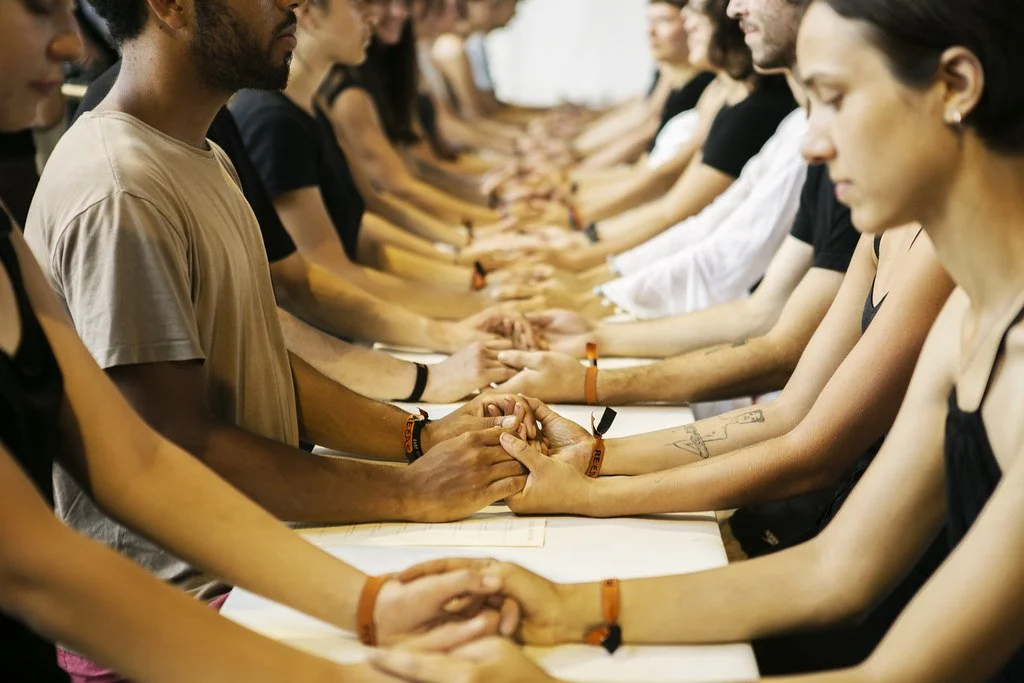
Participants take part in hands‑on workshops, lectures, discussions, excursions, and communal activities. Daily life, cooking, building, cleaning, talking, is as important as formal programming and is considered part of the learning experience.
English is the main working language of the assembly. It is recommended that participants should have a conversational level of English to communicate, collaborate, and connect with others.
At times, discussions may involve more advanced vocabulary, particularly during lectures, workshops, or conversations around theory, design, and construction. While fluency is not required, a reasonable level of English will help participants fully engage with the programme and get the most out of the experience.
The EASA community appreciates that speaking English all the time can cause language fatigue. This a common experience at international gatherings like EASA. It describes the mental and emotional tiredness that can come from communicating all day in a non‑native language, listening closely, translating, and expressing complex ideas over long periods of time.
It may show up as feeling quieter than usual, mentally drained, or needing more alone time. This is completely normal. At EASA Seanchaí, communication also happens through making, drawing, building, shared routines, and simply being together. Silence is welcome, patience is expected, and care for one another is part of the collective culture.
One important truth is that EASA will not suddenly make you a dramatically better architect, nor will it offer conventional academic gains within a two-week period (No ECTS). What it does offer is something different.
EASA creates space for experimentation, for workshops, methods, and ways of thinking that often sit outside the structure of an academic year. It is a chance to try things without the pressure of grades or predefined outcomes.
You will also meet people with vastly different personalities, experiences, and cultural backgrounds, connected by at least two shared interests: a curiosity about architecture, and a desire to better understand the world through others.
Expect the unexpected. Plans may shift due to weather, overlapping activities, or the realities of working collectively. EASA is built through voluntary collaboration, and everyone involved is learning as they go. Not everything will unfold as planned, but part of the experience is learning to adapt, care for one another, and make something meaningful together regardless.
EASA is collaborative, non‑hierarchical, and participation‑driven. It values openness, care, curiosity, and mutual respect. Everyone contributes to shaping the assembly, both through formal roles and everyday actions.
An Information Pack will be issued to all successful partipant applicants, helpers. guests and tutors.
We are committed to making EASA Seanchaí as inclusive and accessible as possible. Please get in contact for Information about site accessibility, facilities, and support that you may need. Participants will be invited to communicate specific needs when making their application.
Yes. EASA is a shared space that prioritises safety, respect, and wellbeing. Our code of conduct applies to all attendees and will be shared in advance.
Follow EASA Seanchaí 2026 on Instagram, keep an eye on this website for updates or sign-up to our Newsletter.
Follow EASA Ireland, EASA Northern Ireland or your relevant EASA national team on social media.
Is there a participation fee?
5
Is there a helper/tutor fee?
6
What are the workshops like?
7
What can I expect from the assembly?
Is EASA accessible?
What happens during the two weeks?
8
What is the atmosphere like?
Is there a code of conduct?
How can I stay updated?