

The 46th Annual European Architecture Student Assembly
EASA is the European Architecture Students’ Assembly, a student-led international architecture event, hosting its 46th annual edition in Waterford, Ireland, in summer 2026.
For two weeks, Waterford will host a temporary community of creatives and thinkers from accross Europe.
-
EASA is a non-profit, student-led network that brings together architecture students, graduates, architects, artists, designers and creatives to learn outside of formal institutions.
-
EASA offers an alternative way of learning architecture - one shaped by experience, curiosity, and exhange rather than instruction alone.
It creates space for experimentation, discussion, learning, failure, and collective responsiblity, where participants learn as much as from each other as from tutors.
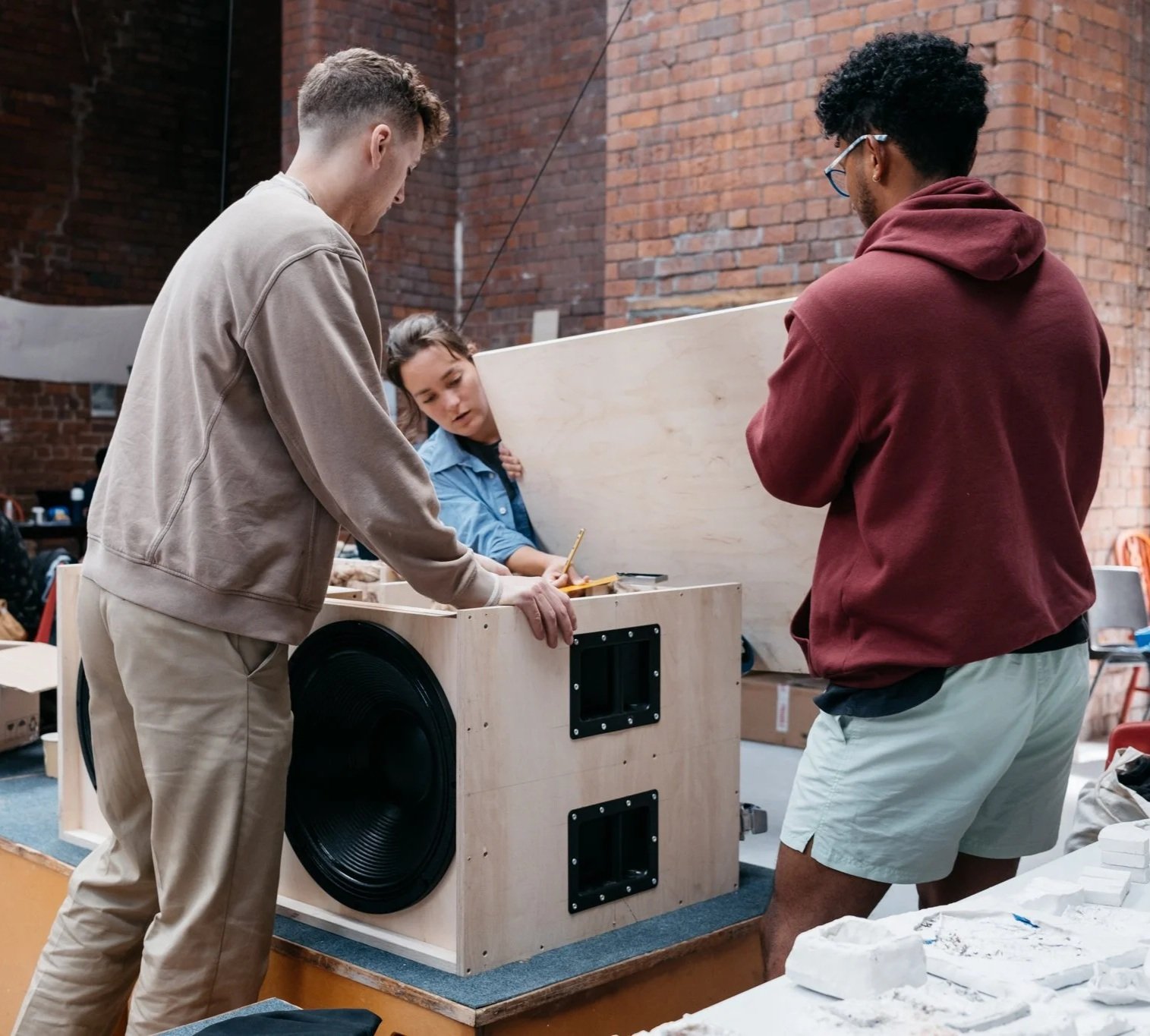
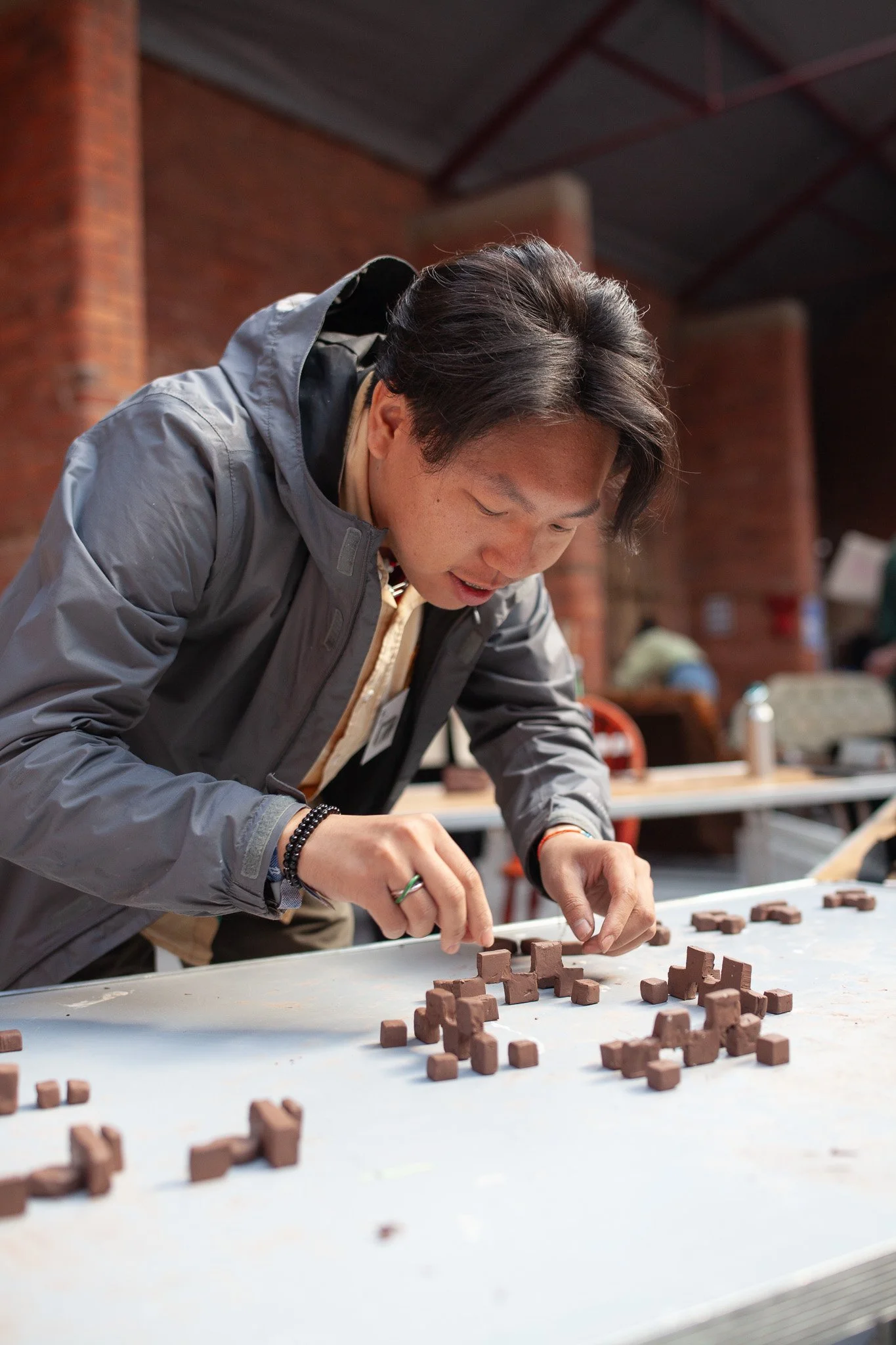
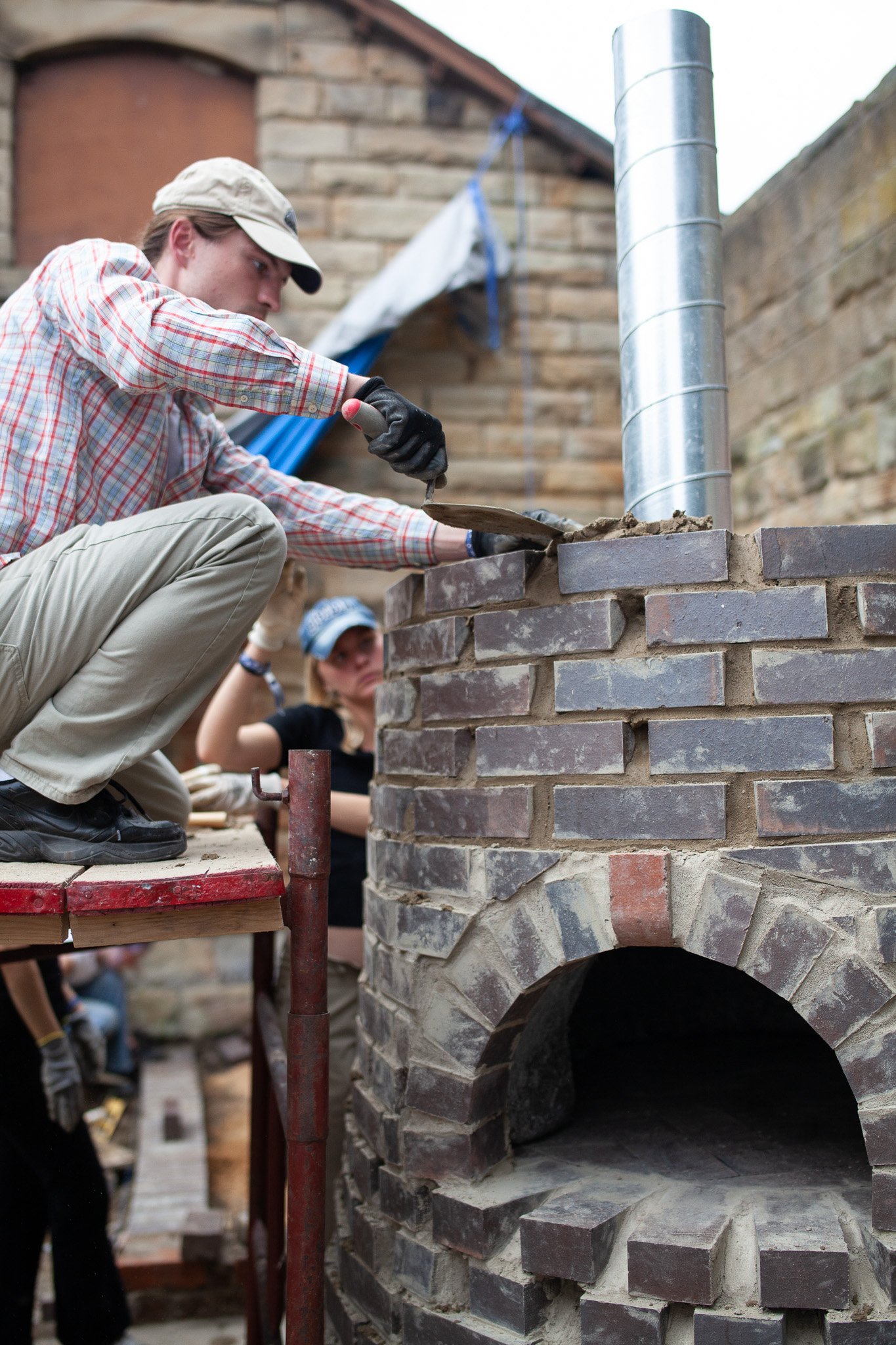
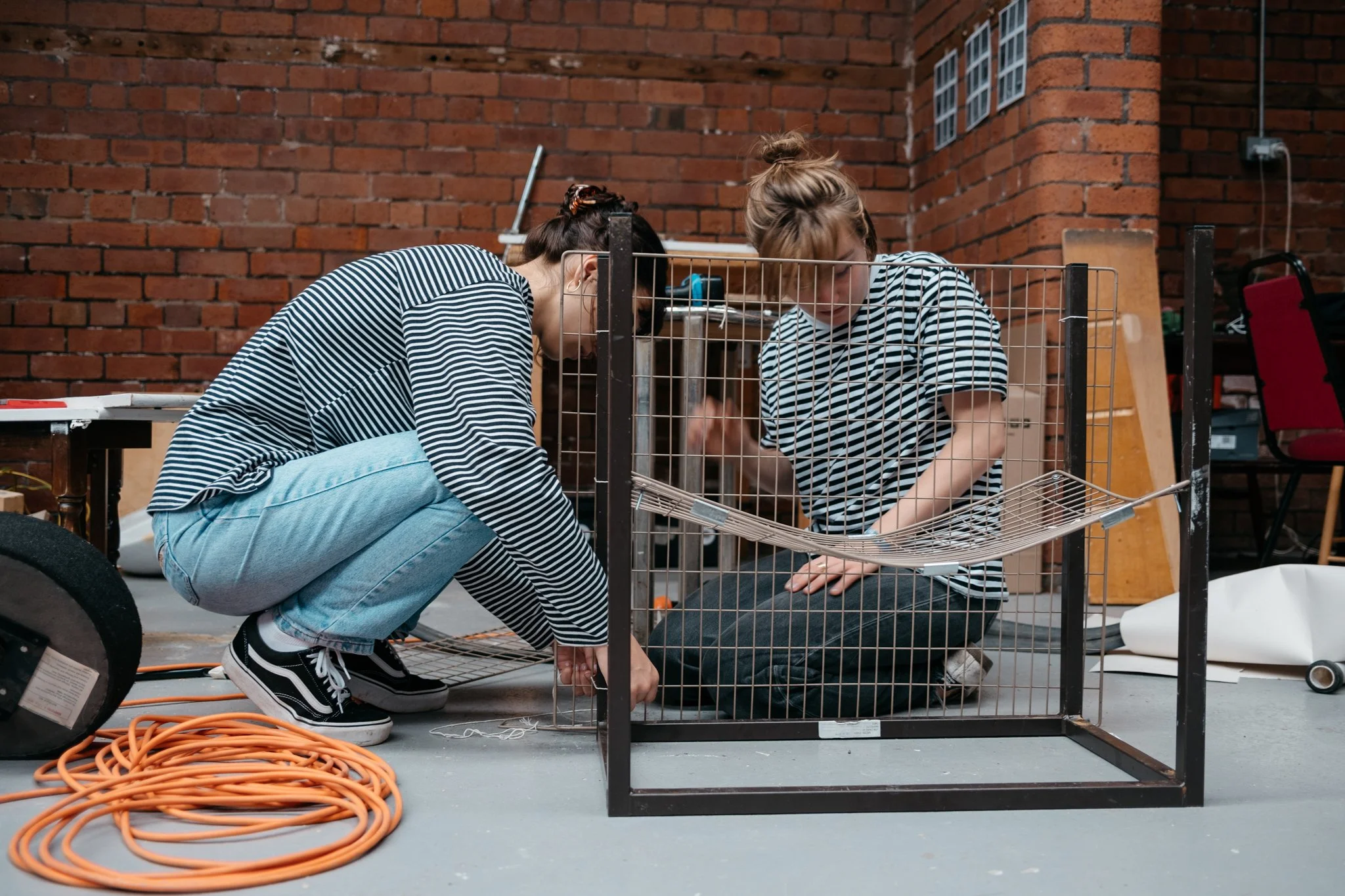
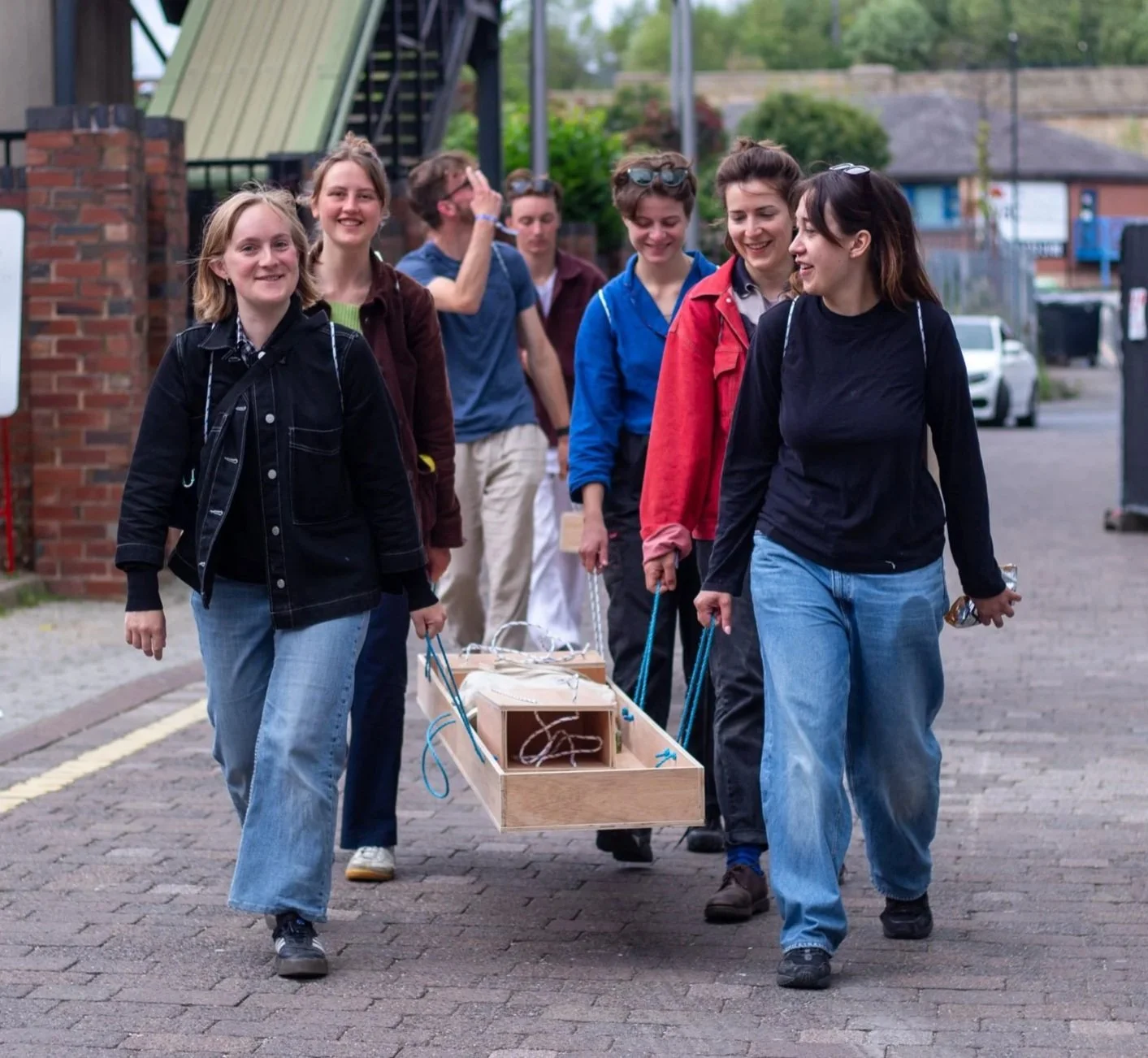

Each year, the assembly takes place in a different European country, shaped by its local context and people. Each edition develops a theme alongside its location, using it as a lens through which the place is explored. In turn, the city becomes a shared space for testing ideas and learning together. EASA is a living, fluid assembly — ever changing as it moves.
Participants live, work, and learn together through workshops, lectures, excursions, and shared daily life.
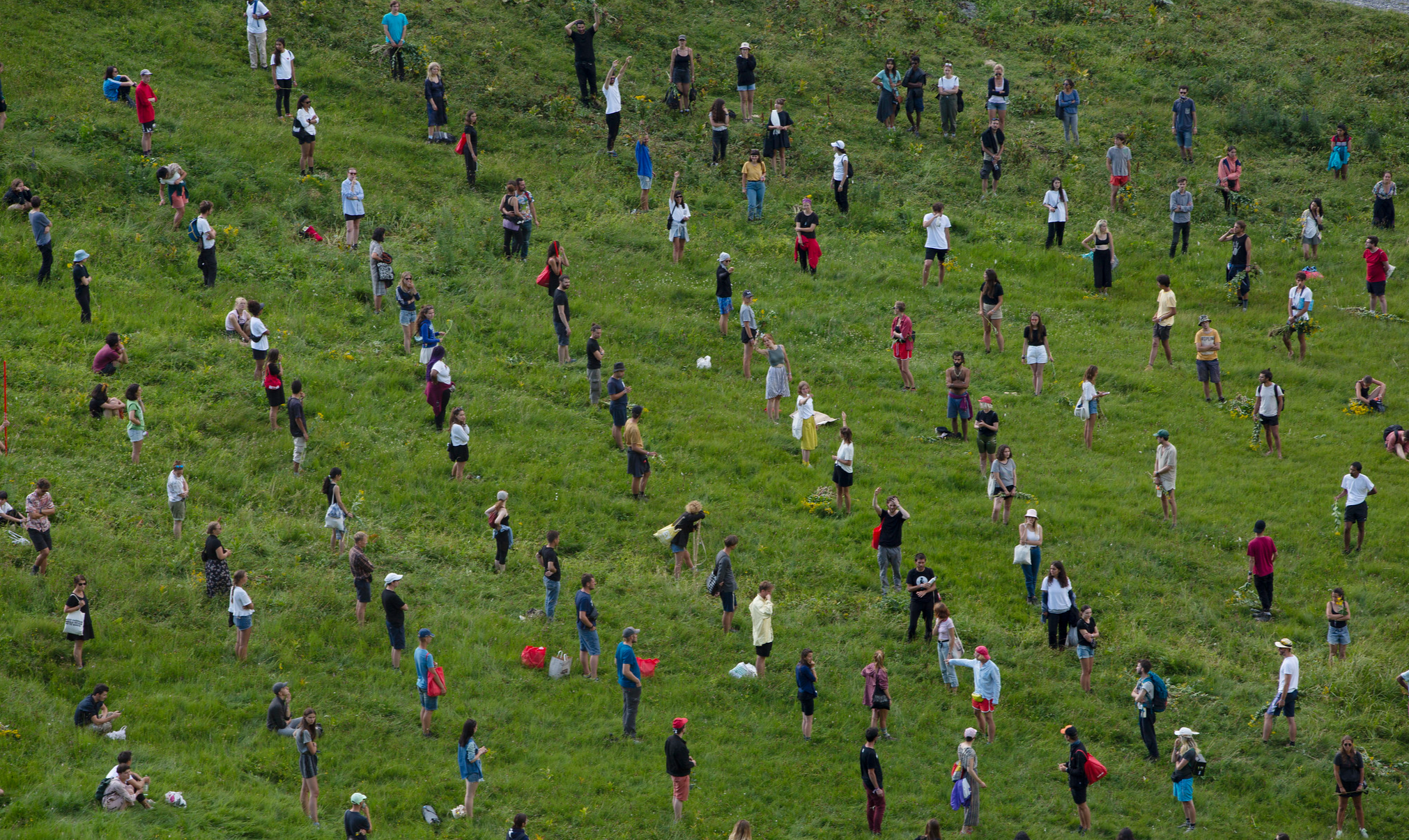
Seanchaí — the Irish word for storyteller — frames EASA 2026. The theme invites participants to explore architecture as a way of listening, remembering, and sharing stories, using Waterford as a place to test ideas through making, conversation, and shared daily life.
THEME./
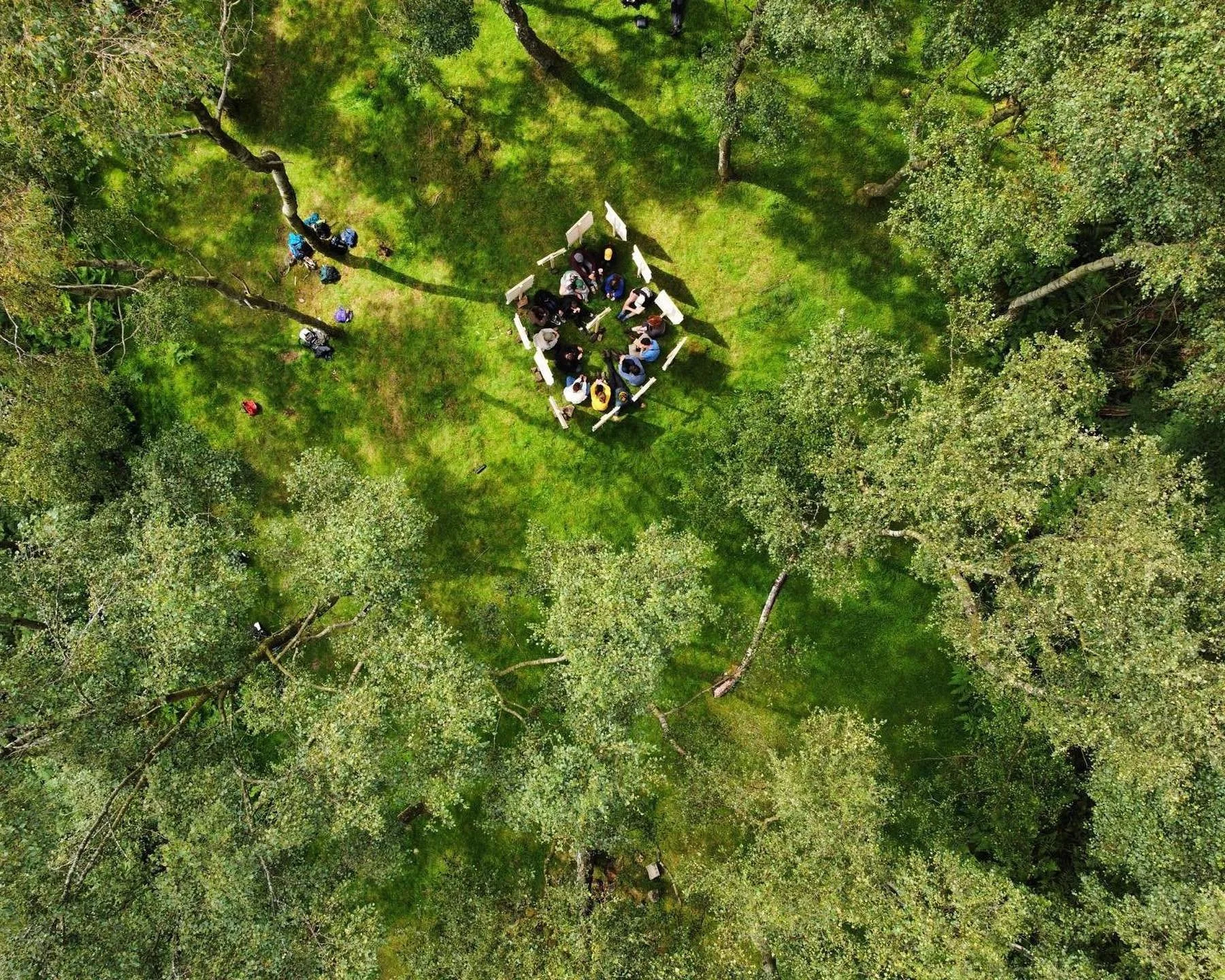
Hosted in Waterford, Ireland’s oldest city, EASA Seanchaí 2026 is shaped by a place defined by movement, making, and layered histories. The city becomes an active setting for shared learning, ideas, and exchange.
LOCATION./
WORKSHOPS./
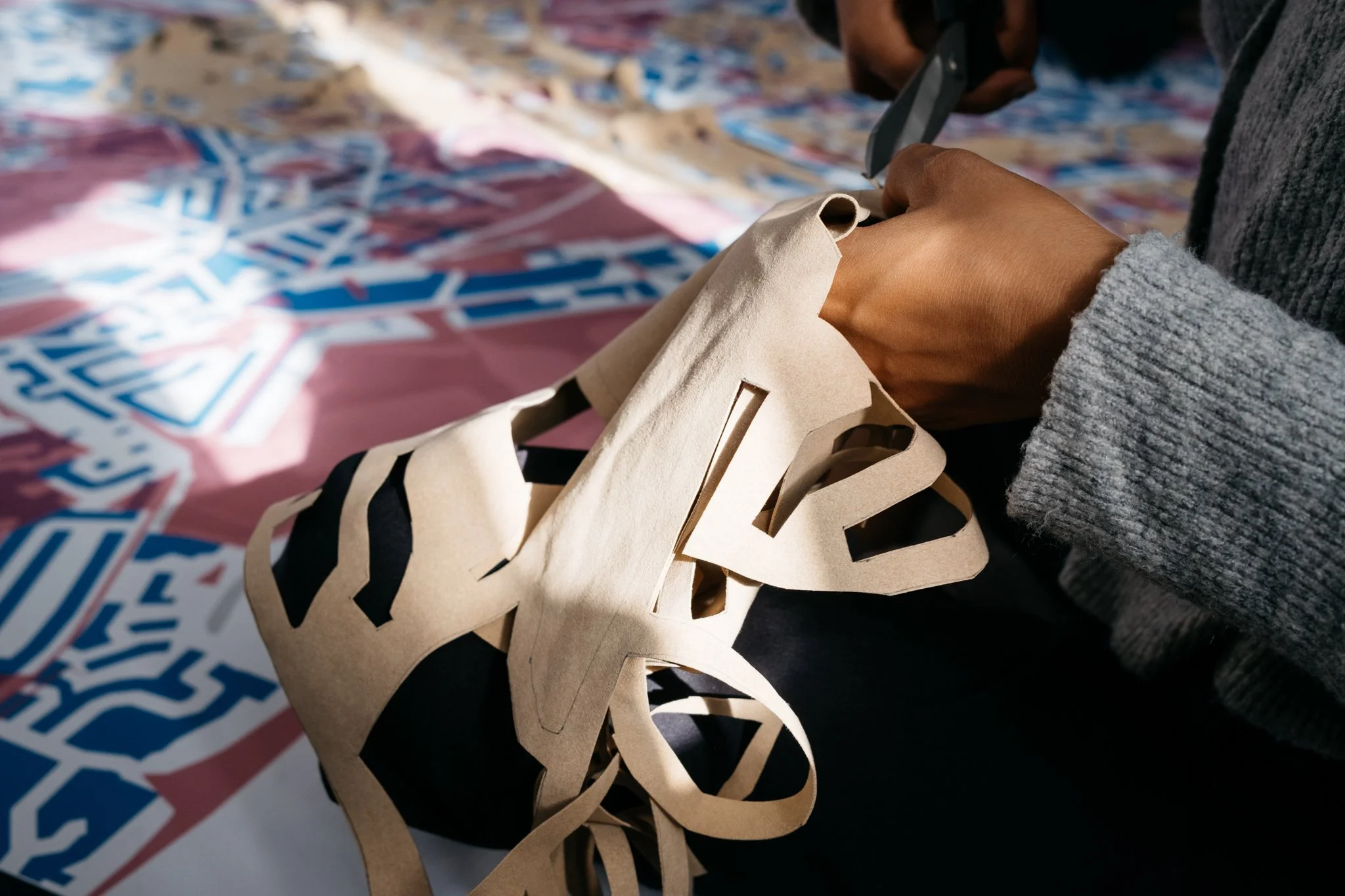
Workshops form the core of EASA Seanchaí 2026. Led by tutors from diverse creative practices, they offer space for collective exploration, making, and learning, shaped by the theme and the context of Waterford.
“These tales were made not for reading, but for telling. They were made and told for the passing of long nights, for the shortening of weary journeys, for entertaining of traveler-guests, for brightening of cabin hearths...”
- Seumas MacManus